Bow maintenance can help identify changes in performance or shooting behavior before problems occur and before damage to your bow or shooting forms. By knowing what maintenance your bow needs, you can avoid possible damage to your bow and help ensure safe shooting practices. Understanding what maintenance your bow requires starts with the manufacturer's written instructions found in the bow's manual. These written care and maintenance instructions vary from model to model even though some models may appear similar.
Relying on Manufacturer's Guidance
Be sure you have the manual for your bow, and understand the specific care that your bow requires. That manual will lay out the approved cleaning of your bow, the schedule for inspections, and the recommended adjustments for your bow. Note that many different models of bows will look very similar, but require very different care.
Keep the manual handy. Keep it in a folder or in your digital library with all of your other organizational materials. Be sure to note the make and model of your bow as well as any and all accessories that you may have for it. Also, note any and all modifications that you have made to your bow such as a change in length, or addition of accessories. Follow the specific care and instructions laid out by the manufacturer for your particular bow, and avoid using general information for specific models.
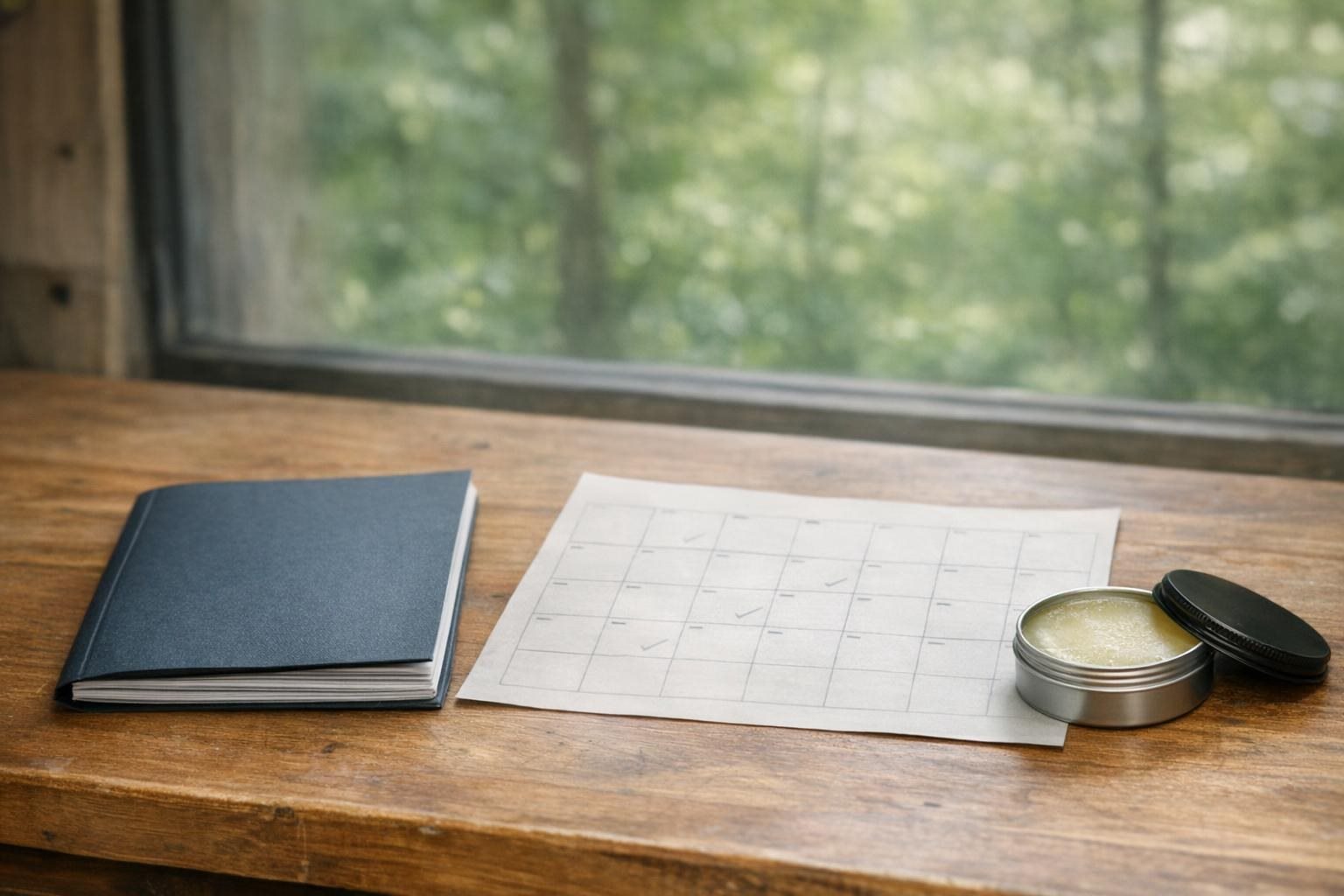
Add your personal schedule to the bow maintenance schedule found in your bow's manufacturer manual. This will allow you to set reminders to make sure you clean your bow prior to the next time you go to shoot for example. Also include maintenance checks prior to a hunt, after having been left outside in the wet, and after having been stored for long periods of time.
Identifying Maintenance Triggers
Don't forget to schedule in time to observe for changes in your bow's behavior or in how shots perform. Note any variation in draw weight or feel, any increased vibration or unusual sound. These mustn't be put off until some future arbitrary scheduled check up. Time between shots can be used to inspect string and cables in good light for signs of wear such as cut ends, excessive fuzz or fraying and serve deterioration.
Regular inspection of the bowstring and the cables for signs of wear should be done under good light. Look for any cuts or excessive fuzzing, as well as serving that is beginning to unwind. Most wear will show up quickly, and, with the aid of a good pair of magnifying glasses, a great deal can be learned about the state of a particular bow from a simple string and cable inspection. It is always wise to get a professional to give your bow a thorough once-over to explain the findings of your own examination.
It is equally important to notice how your bow shoots. If your arrows fail to strike consistently, investigate immediately. Continued shooting could exacerbate a problem that could have been solved more quickly by referring to a professional.
Distinguishing Between Simple Tasks and Expert Repairs
However, some of the maintenance work for your bow can easily be done by you at home. It is recommended to wipe your bow down from time to time for clean, to check all parts for being screwed tight and to search for loose hardware parts like allen nuts or screws. When lubricating parts of your bow, make sure to use the lubricants recommended by the manufacturer and avoid using household products which could harm your bow in unknown ways.
There are parts of your bow's care and maintenance that need to be done by someone with specialized knowledge of the whole system. It is easy to think that any visible screw can be tightened, or that any minor tweak will have the desired result. It is best to approach such actions with caution and refer to your manual for clarification. If, for example, it requires the use of a bow press, or specialized tools, then it is best to find a qualified technician to complete the task for you. The limbs, the cams, and the cables of your bow all require a different approach than the surfaces, the bolts, and the quiver-mounting brackets.
Also be aware of possible damage in case of an incident, such as a dry fire or impact. Be very careful and stop immediately using your bow in case of suspicion of possible damage. Only a bow expert can decide on necessary repairs or upgrades to safely return to action. It is not recommended to try to mask possible damage with unnecessary bow settings!
Creating Checkpoints Based on Usage
However, no matter how scheduled we organize our bow maintenance to correspond with its usage, we should check on our bow before each shoot in order to spot any hidden damage. Shots fired prior to such inspection would confirm that our bow functions properly. The remaining shots would indicate whether there have been any changes in the bow's operation, which in turn prompt further investigations and consequently necessary actions to bring the bow back to its previous state.
Ultimately though, when it comes to bow maintenance the most important factor is to schedule in maintenance that is needed based on how you use the bow. For example if you are going out on a hunt, then prior to leaving for the hunt conduct a thorough check for any signs of damage, and shoot a few arrows to check for any unusual performance. Transport your bow in the best conditions possible (avoiding extreme temperature, or risking your gear to get bumped around by other items), and when you arrive at your hunting location shoot a few more arrows to check for any signs of strain caused by transport. Likewise when returning home after extended use, be sure to perform a thorough check for any signs of strain, and ensure all parts are functioning correctly.
A good bow maintenance schedule is based upon your usage. This will mean you have specific check points for before a shoot, between sessions where you have stored your bow away, and after you have been out in wet conditions. For long periods of storage it is also wise to perform a thorough inspection before taking your bow out for shooting again. Examples of reminders include returning from a wet outing, preparing for a practice session and taking equipment out of long-term storage.