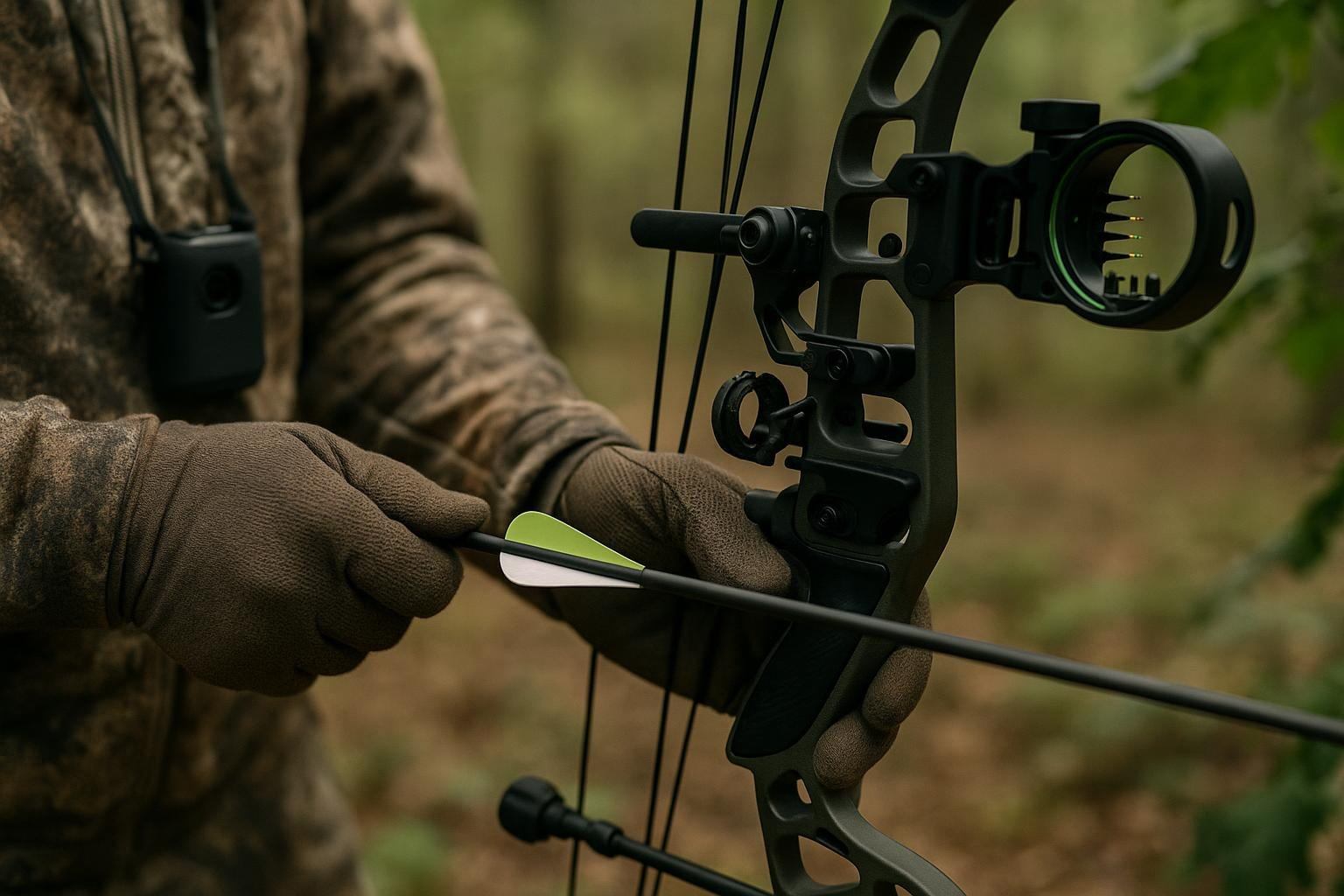
Rethinking Broadside Shots: A Guide to Ethical Bowhunting Decisions
When it comes to bowhunting because an animal is positioned broadside doesn't mean it's a good shot opportunity. The real question isn't about the angle. It's about whether everything in the moment-distance, angle, animal movement, your equipment and local rules-adds up to an humane outcome. Quick chances can be tempting.. Taking a moment to think, to assess is essential. Only move forward when the conditions match your standards and your practice.
Focus on Animal Behavior First
Before your bow even reaches draw your attention should be on the animal's body language. The broadside position may look perfect. Not all broadside stances are safe or ethical. For example an animal that is quartering away might still be a shot if its calm and steady. But if the animal is tense startled or turning the risk increases. A broadside angle can hide trouble. The front leg might shift into a position. Brush or leaves could block your view of the chest.. The animal might be moving toward a risky area like thick cover or a steep drop.
Always make sure you can clearly see the target area-. What's behind it. If you can't don't rush. It's better to wait than to draw your bow based on a looking angle alone. Watch for signs of alertness. A sudden head turn. A flick of the ears. Any quick movement can change everything. These signs often mean the animal is not relaxed and a shot becomes much riskier.
Establishing Your Personal Parameters
A legal shot is not the same as a shot. A good hunter sets rules before the season starts. These rules should include the distances you're comfortable with the angles you can handle the weather you'll hunt in and the animal presentations you've practiced. Don't base your decisions on what you think you can do in theory. Base them on what you've proven you can do in practice.
When you see an animal ask yourself:
– Is the target area clear of obstructions?
– Can I draw, anchor and aim without feeling rushed or strained?
– If the animal moves can I let down safely without forcing a shot?
A rangefinder helps with distance.. It can't fix a shaky draw a poor stance or uncertainty about where the vital organs are. Also remember that uphill or downhill shots change how the animal looks and how you need to aim. Your field of view changes with elevation. Stay aware of your limits especially when things are less predictable.
Scanning the Environment
Looking at the animal is not enough. You must also scan the space between you and the animal. Look for grass, twigs, leaves or branches that could deflect your arrow. Even a small object in the path can ruin a shot. If you're unsure whether anything is in the way assume it's there. It's better to wait than to risk a hit.
Check your footing before you draw. Are you on level ground?. Is the slope steep? A solid stance gives you control. It helps you manage your draw maintain balance and let down smoothly if needed. Never try to twist your body to get an angle. If you have to contort you're already in a position. That's a sign you need to step and reposition.
Also always look behind your target. Are there people? Buildings? Trails? Property lines? Make sure your shot is safe for others. Check the regulations. Rules can change with seasons and zones. Don't assume your past experience applies in every situation.
Consider External Factors
Don't ignore wind. It can move leaves shift your balance and make a looking shot unstable. A sudden gust might push the animal's head. Change the arrow's path. If the wind shifts it might be a reason to wait.. It could reveal a clearer path later. Watch closely. The animal might move the cover might open. The opportunity could improve.
Light also matters. Low light, glare, deep shade fog-these all make it harder to see areas. The front leg, shoulder line or chest cavity might be hard to judge. If you're guessing where the organs are don't shoot. A shot taken from uncertainty is not ethical. It's risky and often ineffective.
Timing adds pressure too. An animal moving toward cover or dusk falling-these situations can create urgency.. That pressure isn't a command to shoot. It's a sign to be cautious. If you can't get a confident shot it's okay to let the moment pass. There will be chances. Waiting is not failure. It's respect.
Align Your Equipment with Your Skills
Your bow, arrows, broadheads, release aid and sights should work together like a oiled machine. Before the season starts check everything. Make sure your setup is in condition and follows local rules. Don't use a field opportunity to test or adjust your gear. A sight that's off or an arrow flight that's unpredictable-these are problems to fix before the hunt not during it.
When preparing for a shot practice the process, not just aiming. Practice drawing, holding your form and letting down safely. Replicate conditions-distances, angles and positions that are within your range. Remember that cold weather, nerves or fatigue can change how your body performs. Train for conditions, not ideal ones.
Visualize the target and the arrow path. Know where your arrow will go and what's behind it. If you're not sure where the animal stood or if the view is unclear don't shoot. Passing on a shot is not weakness. It's skill. It shows you care about ethics and animal welfare.
Conclude with Thoughtfulness
Before you release the arrow take one check:
– Is the target area clear?
– Is the shooting lane unobstructed?
– Is my footing secure?
– Is the background safe?
– Does the distance fit my skills?
Draw with intention.. Keep the option to hold back. Drawing doesn't mean you must release. If something shifts-wind, animal, position-be ready to let down. Stay calm. Stay controlled.
After the shot stay still. Watch the animal's reaction. Watch how it moves. Note its direction. Use your tracking skills. If you're not sure don't guess. Don't leave soon. If you're uncertain get help. It's better to wait than to lose an animal you didn't need to lose.
Recording what happened after the shot- the mistakes-can help you learn. It builds awareness. It sharpens your judgment.
Ethical bowhunting isn't, about taking every chance. It's about knowing when the animal, the shot, the equipment and your own skills all line up.. When they don't it's about having the patience to wait. That patience is what makes you a better hunter.